Iraqi Resistance rejects Saudi pipeline accusation as ‘an honor we do not claim’
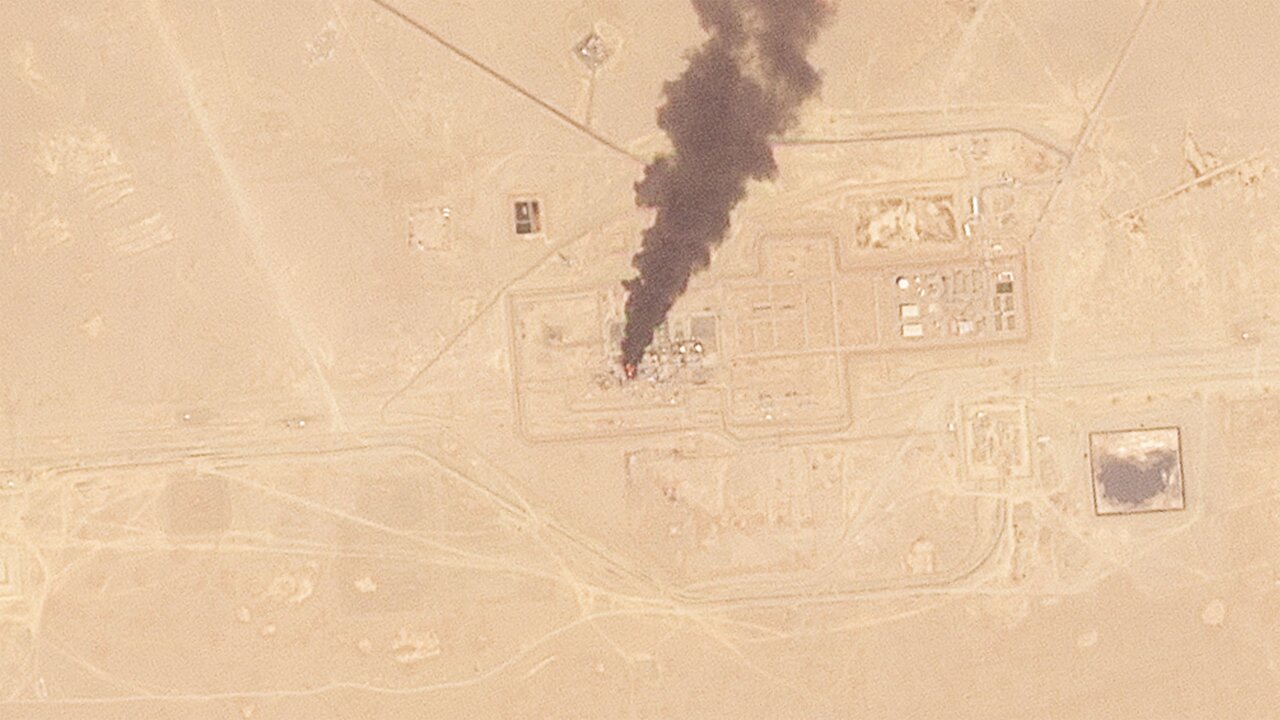
TEHRAN — The Islamic Resistance in Iraq has formally rejected Saudi allegations blaming it for recent drone strikes on the kingdom’s East-West crude pipeline. The resistance movement dismissed the charge on Saturday as “an honor we do not claim” and warned that the accusations are part of “malicious Zionist-American plots” meant to trap Iraq in a regional crisis.
Riyadh halted its 1,200-kilometer Petroline on Friday after strikes hit the Riyadh and Madinah regions.
Saudi authorities produced zero evidence linking the drones to Iraqi territory. Iraqi Prime Minister Ali al-Zaidi still moved abruptly, dismissing the operations commander in southern Maysan province and closing border crossings.
The Iraqi Resistance expressed sheer astonishment at Baghdad’s haste. The faction criticized the Iraqi government for adopting a hostile foreign narrative without concrete investigations.
To expose the deception, the movement announced its full readiness to participate in a joint government fact-finding committee.
The Saturday statement described the Saudi allegations as a desperate political distraction. Riyadh is trying to mask the consecutive defeats its forces and mercenaries suffer against Ansarullah.
The Iraqi Resistance took the opportunity to congratulate the Yemeni people on their “continuous battlefield victories” and reaffirmed its unwavering support for a nation besieged by Saudi aggression for over a decade.
The collapsing oil lifeline
The Petroline shutdown lands a devastating blow to Saudi Arabia’s strategic energy network. The overland pipe stretches from the eastern Abqaiq facilities to the Red Sea port of Yanbu, boasting a capacity of seven million barrels per day. It was designed specifically to bypass the Persian Gulf.
Riyadh’s need for that bypass has become especially acute recently. Tehran has tightened restrictions on passage through the Strait of Hormuz to counter the illegal American naval blockade and the wider U.S.-Israeli war targeting Iran and the Resistance Front.
Saudi Aramco CEO Amin Nasser admitted last month that the East-West pipeline was mitigating the Hormuz closure far more effectively than any release of emergency crude reserves.
A two-front maritime siege
Riyadh’s Red Sea escape route is now equally paralyzed. Yemen’s Armed Forces declared a comprehensive maritime embargo against Saudi Arabia in July.
Operating under a righteous “siege for siege” doctrine, Yemeni forces advanced to secure the Bab el-Mandeb Strait.
This maneuver effectively traps Saudi oil exports. Iran controls the Persian Gulf exit. Yemen commands the Red Sea gateways.
Ship-tracking platforms Kpler and Vortexa both recorded severe drops in Saudi crude loadings from Yanbu in August, with estimates falling as low as 1.5 million barrels per day. Attempts to divert cargo through Egypt’s Suez and SUMED routes have failed to replace the lost capacity.
Saudi crude production is now in historic freefall. OPEC data confirms output plunged from 8.1 million barrels per day in July to just 6.24 million in August. This represents the lowest reported extraction level since 1990.
Leave a Comment